First: Encyclopedia Flora of Libyan:
Ali, S.I. & Jafri, S.M.H. (1977) Flora of Libya, Brassicaceae Vol. (23) Department of Botany, Al-Faateh Univ., Tripoli, Libya. Page. 125.
Second: Researches and PhD theses, master theses, Sorted by Newest:
Saaed, M.W.B., EL-Barasi, Y.M. & Rahil, R.O. (2021) An updated checklist and quantitative analysis of the Marmarica Plateau flora, in the north-eastern part of Libya. Phytotaxa 509 (1): 001-055. https://phytotaxa.mapress.com/pt/article/view/phytotaxa.509.1.1
An-updated-checklist-and-quantitative-analysis-of-the-Marmarica-Plateau-flora-مضغوط
Elsayed, N. (2016) Relationship between Vegetation and Soil Seed Bank at Protected Versus Unprotected Sites at Coastal Habitats in Libya.CATRINA (2016), 15 (1): 59-68. https://scholar.google.com.eg/citations?user=mSAskW0AAAAJ&hl=en , https://cat.journals.ekb.eg/article_18337_76652686b5c99f5fd479aebab87fbcb4.pdf
Vegetation and Soil Seed Bank at Protected Versus Unprotected Sites at Coastal Habitats in Libya. 2016
Elsayed M. A. N. (2015) Floristic Composition of the Plant Cover at Surt Region in Libya. Catrina (2015), 12 (1): 63-71-2010 By the Egyptian society for environmental SCIENCES. https://cat.journals.ekb.eg/article_18403_37c687e375b9144800a15704e68ebad7.pdf
Floristic Composition of the Plant Cover at Surt Region in Libya. 2015
Al-Dakhli, O., Qarmida, N., Al-Tawati, R., Al-Maqri, M. (2021) Survey of medicinal and aromatic plants in area and Al-Ghiran Agricultural Park in Janzour City-Libya. Libyan Journal of Ecological & Environmental Sciences and Technology. Vol.3 No. 2 Dec, 2021 Pages A-(44-47) .(In Arabic).
أثرالحماية في بعض خصائص الغطاء النباتي ضمن مراعي منطقة بئرعياد – ليبيا. 2013
Mohamed, F.J. (2013) A Taxonomic Study of Wadis Flora South of Mizda at the intersections with Mizda-Sebha Highway. Master Thesis. Department of Botany-Faculty of Science-Sebha University. Libya. (In Arabic).
Mukassabi, T.A, Ahmidat, G., Sherif, I.M., ELMogasapi, A. (2012) Checklist and life forms of plant species in contrasting climatic zones of Libya. Biological Diversity and Conservation – 5 / 3 (2012) https://dergipark.org.tr/en/pub/biodicon/issue/55888/765799, https://www.researchgate.net/publication/259357995_Checklist_and_life_forms_of_plant_species_in_contrasting_climatic_zones_of_Libya
Checklist and life forms of plant species in contrasting climatic zones of Libya. 2012
Bahri, N.M. (2009) Study of the vegetation covers of Wadi Nesma region, northwest of Libya. Master Thesis, Department of Botany, College of Science, Sebha University, Libya. (In Arabic).
Ahmidat, Gh. (2004) Study of the vegetation cover of the area between the Acacus Mountains and the Tassili Mountains (Ghat). Master Thesis. Department of Botany.College of Science. Sebha University. Libya. (In Arabic).
El-Shaary M.S. (2002). The Natural Vegetation in Marmarica plateau (North-eastern Libya). First ed. Tobruk (Libya): Published by the local Authority. (In Arabic).
PAMPANINI, R. (1914). Piantae Tripolitanae, ab auctore anno 1913 […] – Firenze: 103 – under: Farsetia aegyptiaca var. ovalis (Boiss.) Coss.



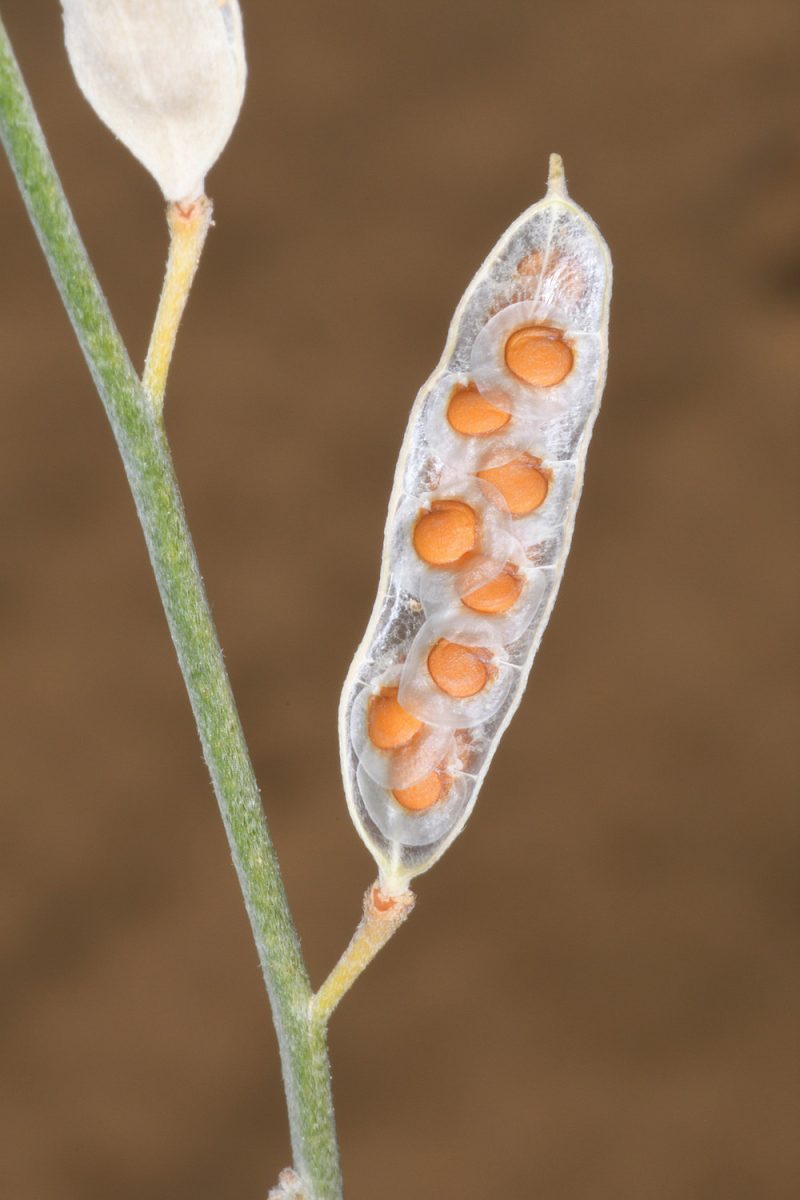
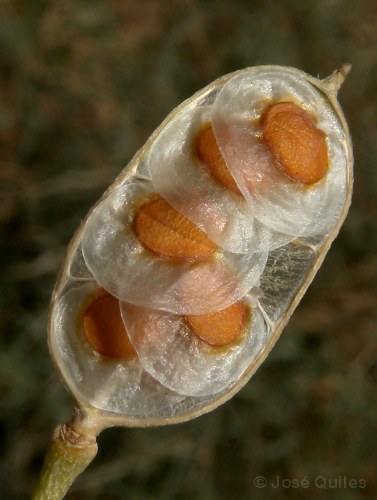
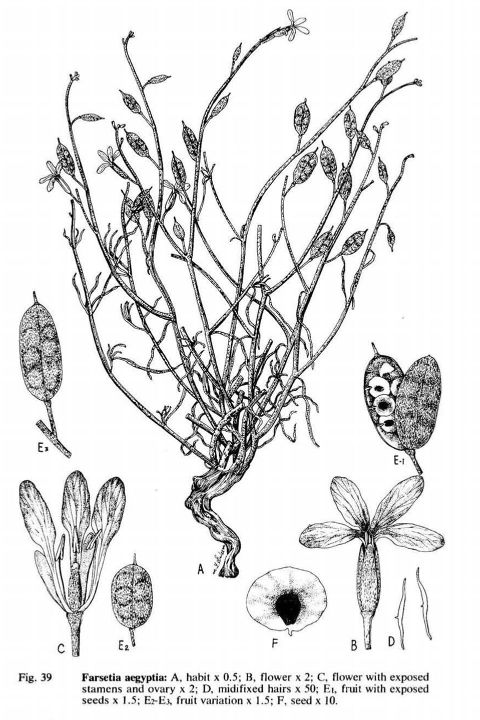
Leave a Reply