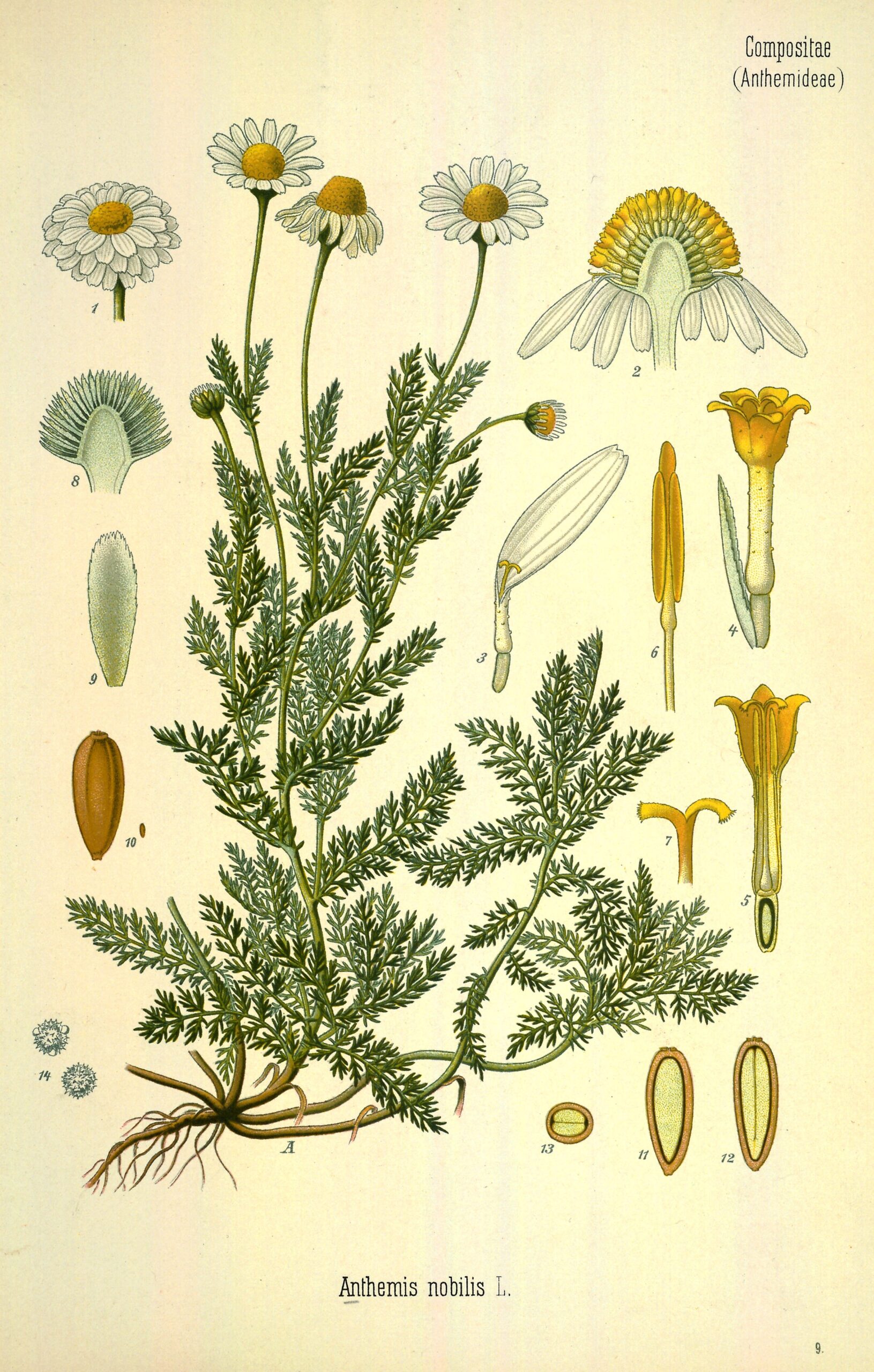
General Appearance
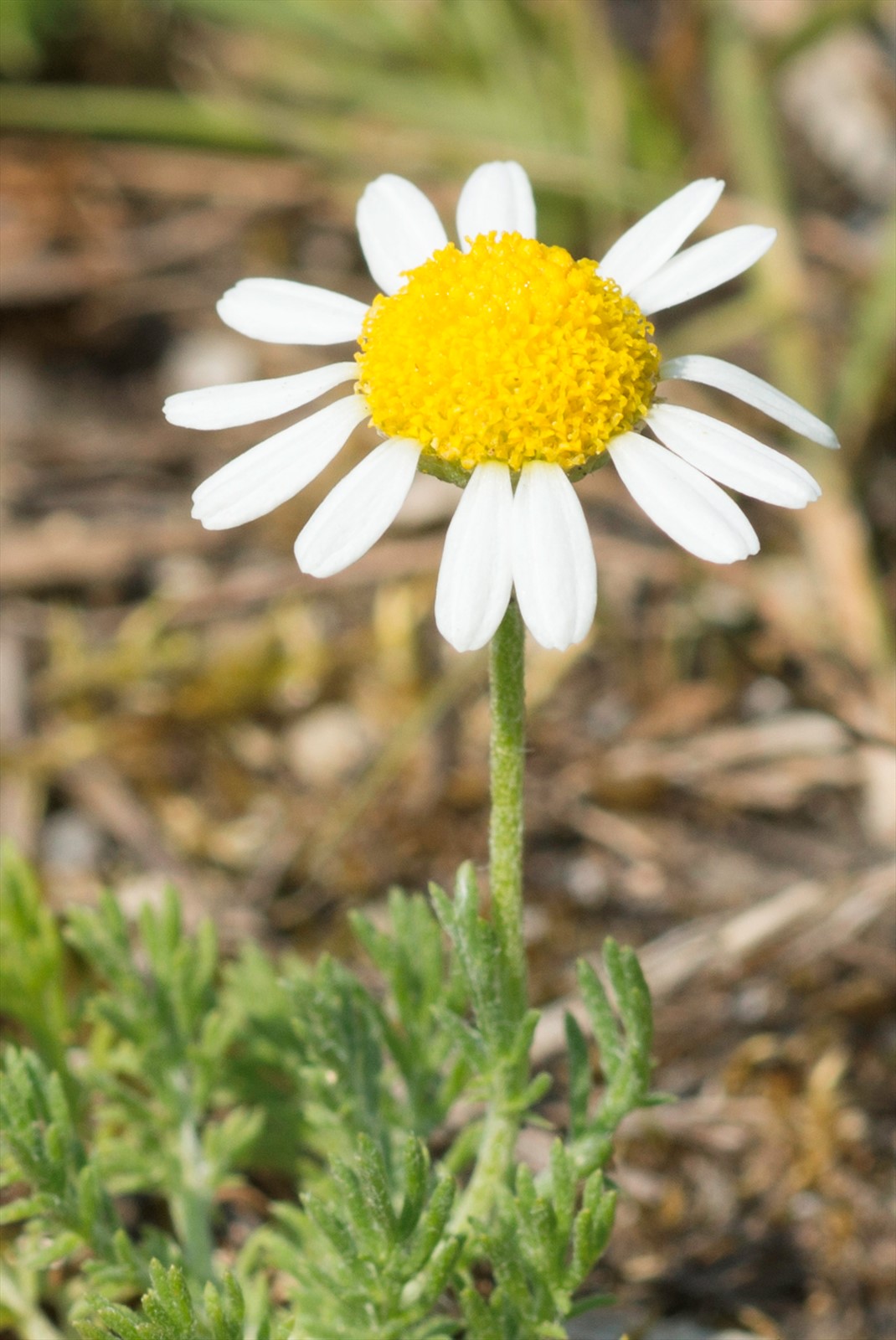
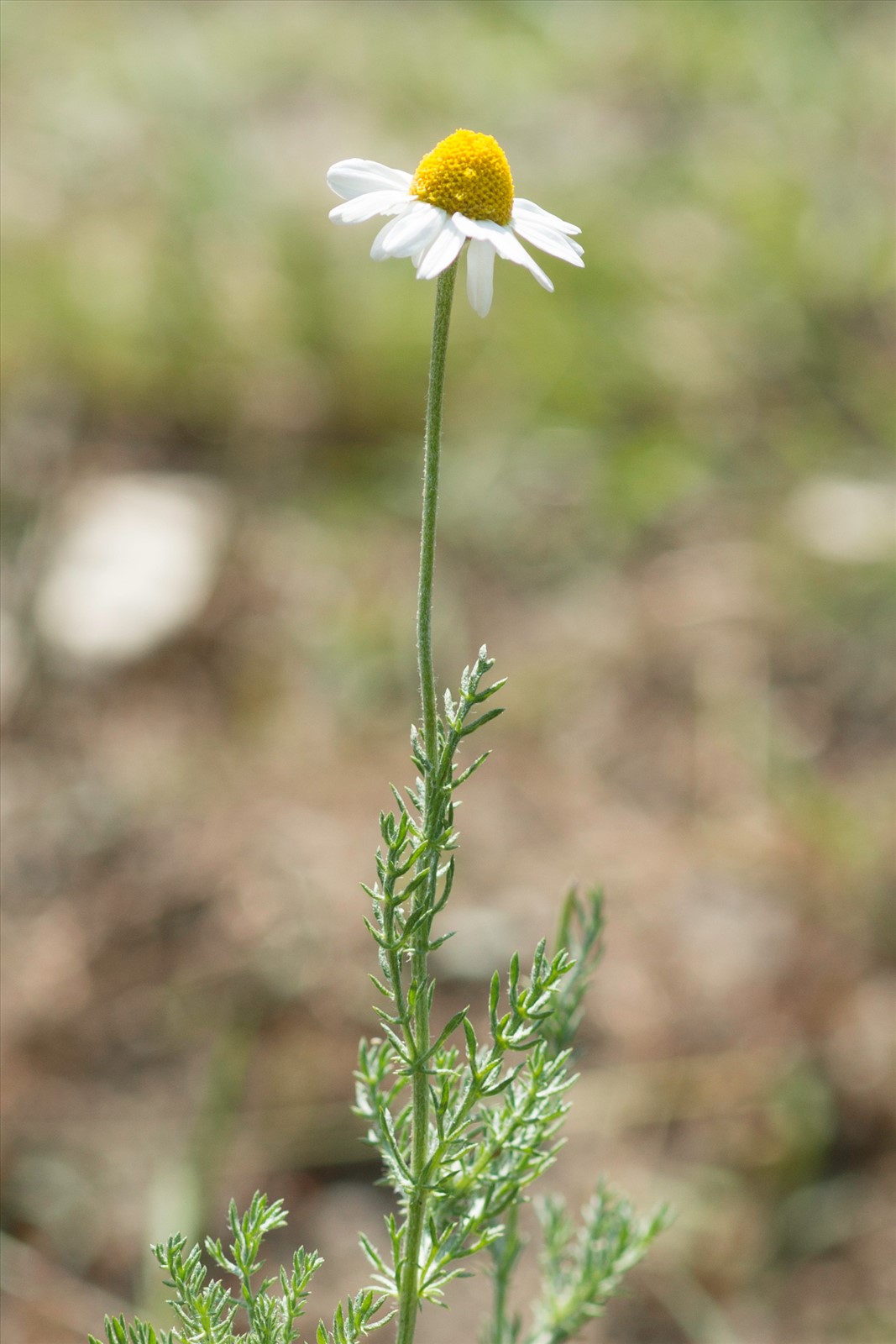
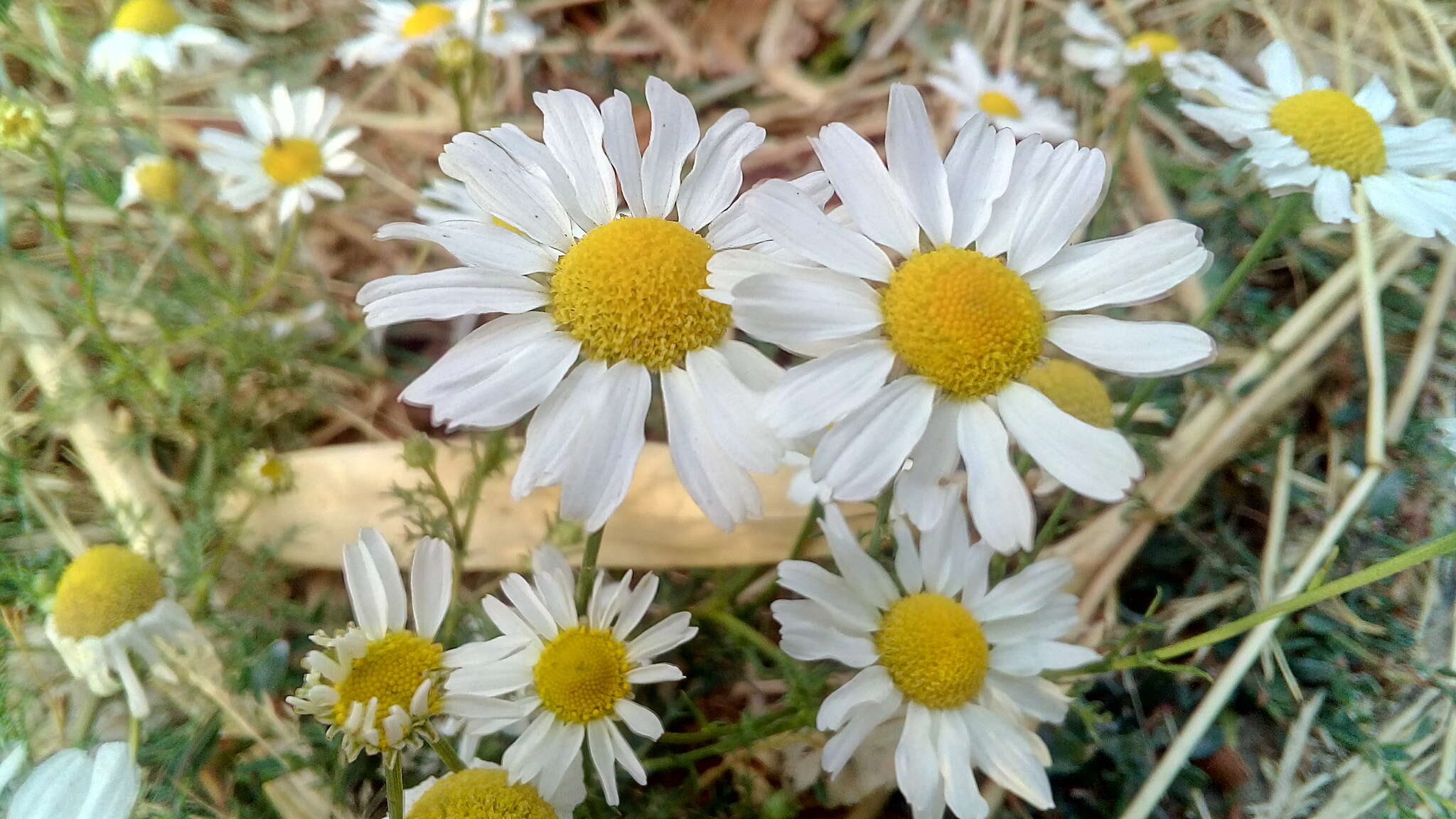
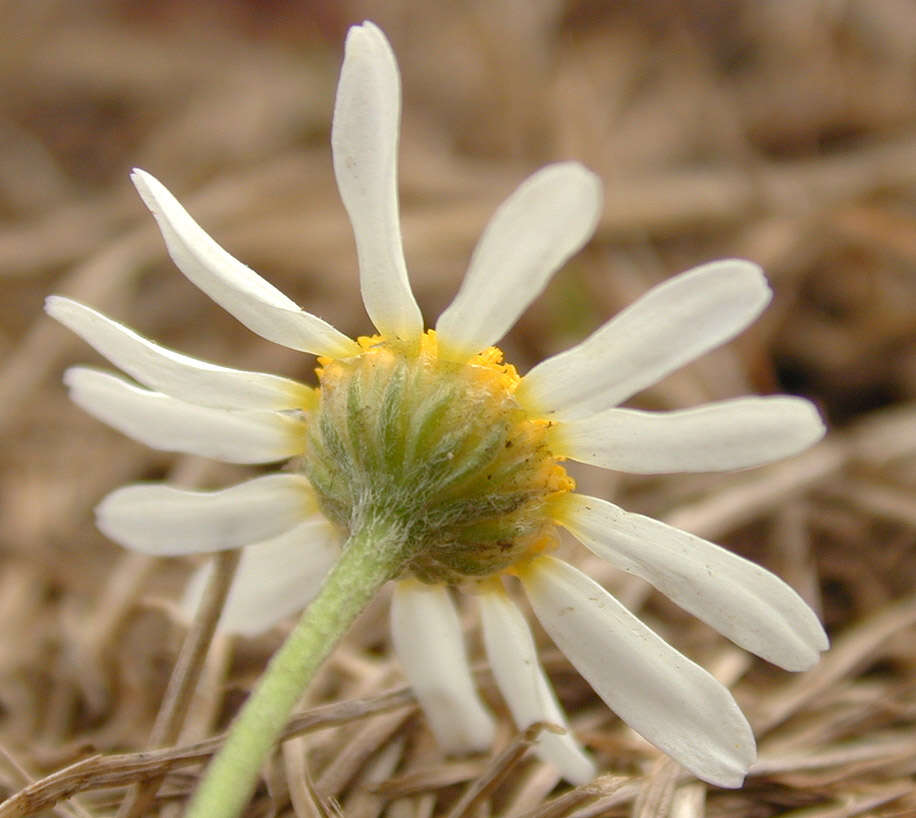
Chamaemelum nobile (L.) All. / Homotypic Synonyms: Anthemis nobilis L., it is an annual or biennial, villous. Stems 6-40 cm, erect or ascending, simple or branched. Lower and middle leaves generally bipinnate; upper leaves unipinnate; lobes linear. Peduncles 0.5-1.1 cm, not thickened at the apex. Flower heads solitary. Involucre 45 x 7-9 mm. Involucral bracts obovate with a broad hyaline margin. Receptacle slightly conical. Interseminal bracts obovate, similar to the involucral bracts, slightly villous. Flower heads radiate or discoid. Flowers hemiligulate, generally fertile, with a limb 4-11 mm long, white with a yellowish base; The yellow flosculose florets, with a tube 1.5-2.5 mm long and a base decurrent on both sides of the ovary and a limb of c. 1.3 mm, campanulate. Achenes 1.2-1.6 mm long, ovoid, slightly dorsiventrally compressed, with 3 ribs on the ventral face.

Life Form
Phytochoria
Distribution in Libya
Al-Jabal Al-Akhder:
El-kouf area 1984 Wadi El-Kouf 2016
Notes
Wild in Libya, medicinal plant.
Link of images: https://www.preservons-la-nature.fr/flore/taxon/259.html, https://en.wikipedia.org/wiki/Chamaemelum_nobile
For more information
https://powo.science.kew.org/taxon/urn:lsid:ipni.org:names:192489-1, https://www.ipni.org/n/192489-1, http://www.worldfloraonline.org/taxon/wfo-0000014359, https://www.gbif.org/species/5391599, https://africanplantdatabase.ch/en/nomen/specie/136945/chamaemelum-nobile-l-all, https://www.floravascular.com/index.php?spp=Chamaemelum%20nobile, https://jb.utad.pt/especie/Chamaemelum_nobile, https://en.wikipedia.org/wiki/Chamaemelum_nobile
First: Encyclopedia Flora of Libyan:
=====================
Second: Researches and PhD theses, master theses, Sorted by Newest:
Al-Zarbi, A. K. & Al-Aaib, M A. (2016) Pastoral Vegetation in Wadi Al-Kuf in Al-Jabal Al-Akhdar Libya, Journal of Science and Human Studies. Issue 4-ISSN: 2312-4962 Benghazi University. (In Arabic).
الغطاء النباتي الرعوي بوادي الكوف بالجبل الأخضر ليبيا, 2016
ACSAD (1984) Wadi Al-Kouf National Park Studies Project. Arab Center for the Studies of Arid Zones and Dry Lands.
Leave a Reply